

Vienna Live Report: A Major Global Real Estate Event! The 76th World Federation of Real Estate Conference Opens – Affordable Housing and Climate-Resilient Buildings Reach Two Major Consensus
Lily Chang|Financial News Center by YU HSIAO-YEN
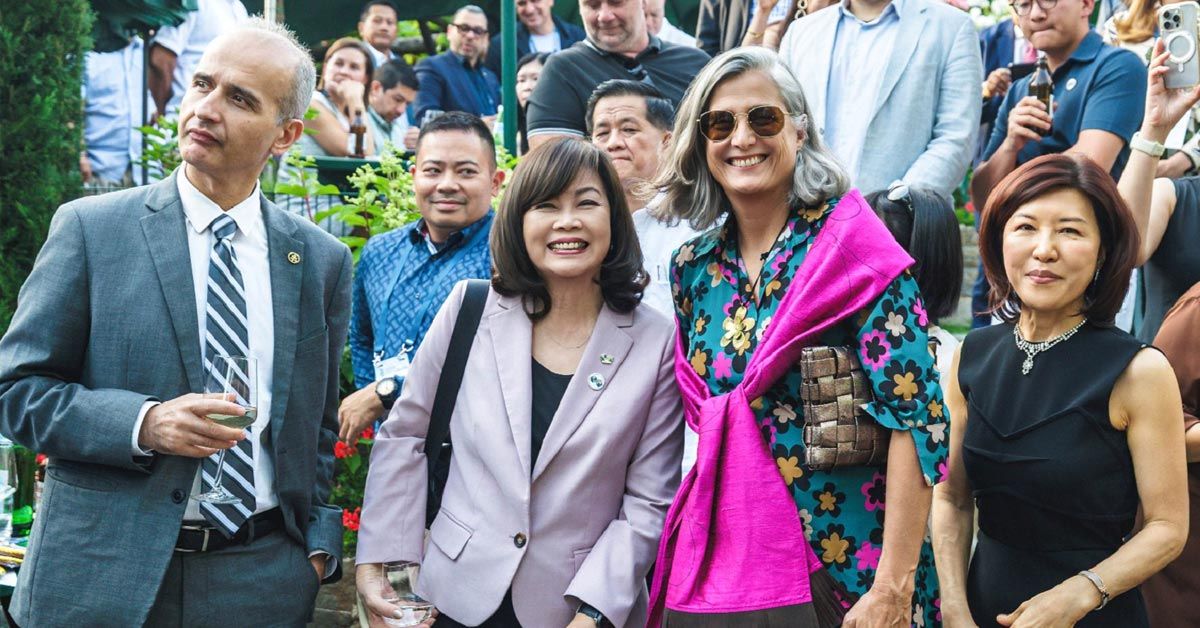
▲Anacláudia Rossbach (second from right), Executive Director of UN-Habitat, poses for a photo with Chang Lily (second from left), President of Treasure Dragon Construction, who is about to take over as the new President of the World Federation of Real Estate. (Photo courtesy of the World Federation of Real Estate)
The 76th International Federation of Real Estate Associations (FIABCI) convened in Vienna on Tuesday, June 9th. The core theme for 2026 was specifically set as "ACT," encompassing three main aspects: Action, Collaboration, and Transformation. This serves as a strong appeal to the global real estate industry: facing the dual challenges of climate change and housing justice, the global industry, government, and academia must no longer remain at the "discussion" stage but must immediately take concrete, cross-border, and cross-sectoral actions.
This conference, hosted by the FIABCI Austrian Chapter, brought together real estate elites, heads of multinational organizations, and official representatives from around the world to address the turning point of global digitalization and policy transformation. In his opening remarks, Matthias Gass, President of the FIABCI Austrian Chapter, offered profound reflections on the rapid development of technology and the transformation of social structures. He emphasized that no matter how drastically times and technologies change, humanity's innate "superiority, authentic connection, and creativity" are the ultimate solutions to complex global problems.
Following an opening address by Antonio Campagnoli, the current FIABCI World President, Anacláudia Rossbach, Executive Director of UN-Habitat, spearheaded the discussion, revealing the challenges facing the global living environment from a global macro perspective. Addressing the shared social pain points facing the world, Rossbach pointed out that housing has fundamentally transformed from a traditional social welfare issue into a "core economic lifeline" influencing the global economy, climate stability, and political landscape. These international trends demonstrate that "affordable housing" and climate-resilient architecture have become a global consensus in the real estate industry and are urgent strategic directions that need to be implemented.
Beyond the UN's macro-level warnings, another major focus of the forum was exploring how outstanding architectural design can transcend the framework of visual aesthetics and become a key force driving urban transformation through low-carbon material innovation, comprehensive upgrades in building energy efficiency, and circular economy-oriented urban planning. In particular, this global trend of green building transformation perfectly aligns with the Taiwanese construction industry's current efforts to promote building carbon reduction, green building certification, and high-standard ESG vision.
At the "Smart Cities and Net Zero Transformation" forum held in the afternoon, Chang Lily, Chairwoman of Taiwan Treasure Dragon Construction, who will soon take over as the FIACBI World President, shared her practical experience in smart cities. She stated frankly that the challenge of smart cities lies not in technology, but in the "conflict between short-term thinking and long-term value." She proposed three core viewpoints: First, shift from KPIs to KFI (Key Future Impact): Companies should not only focus on key performance indicators, but also on "key future impacts." She emphasized that ESG should not be seen as a cost, but rather as a source of risk management and value creation; the most valuable assets in the future will belong to resilient and responsible companies.
Chang Lily believes that although green technologies remain expensive, developers cannot use cost as an excuse and must start from the first step, such as measuring carbon footprint and energy consumption. Third, people-centered smart cities: She reminds the public that smart cities are not built by piling up technologies, but defined by their ability to "improve people's lives and reduce environmental impact." She points out that moving towards net zero is a shared global responsibility and direction, but there is no one-size-fits-all approach. She says, "I come from Taiwan. A perfect solution in Europe may not be directly applicable to Southeast Asia or Taiwan because there are huge differences in climate conditions, urban density, economic realities, and cultural backgrounds. Therefore, each city needs to develop its own localized model based on its actual conditions."
FIABCI will also hold the Global Excellence in Construction Awards ceremony on the evening of June 11 (Thursday). On June 12, a farewell dinner, 75th anniversary celebration and handover ceremony will be held. With the expiration of the term of the current world president Antonio Campagnoli, the handover will be officially completed, and Chang Lily will serve as the new president.
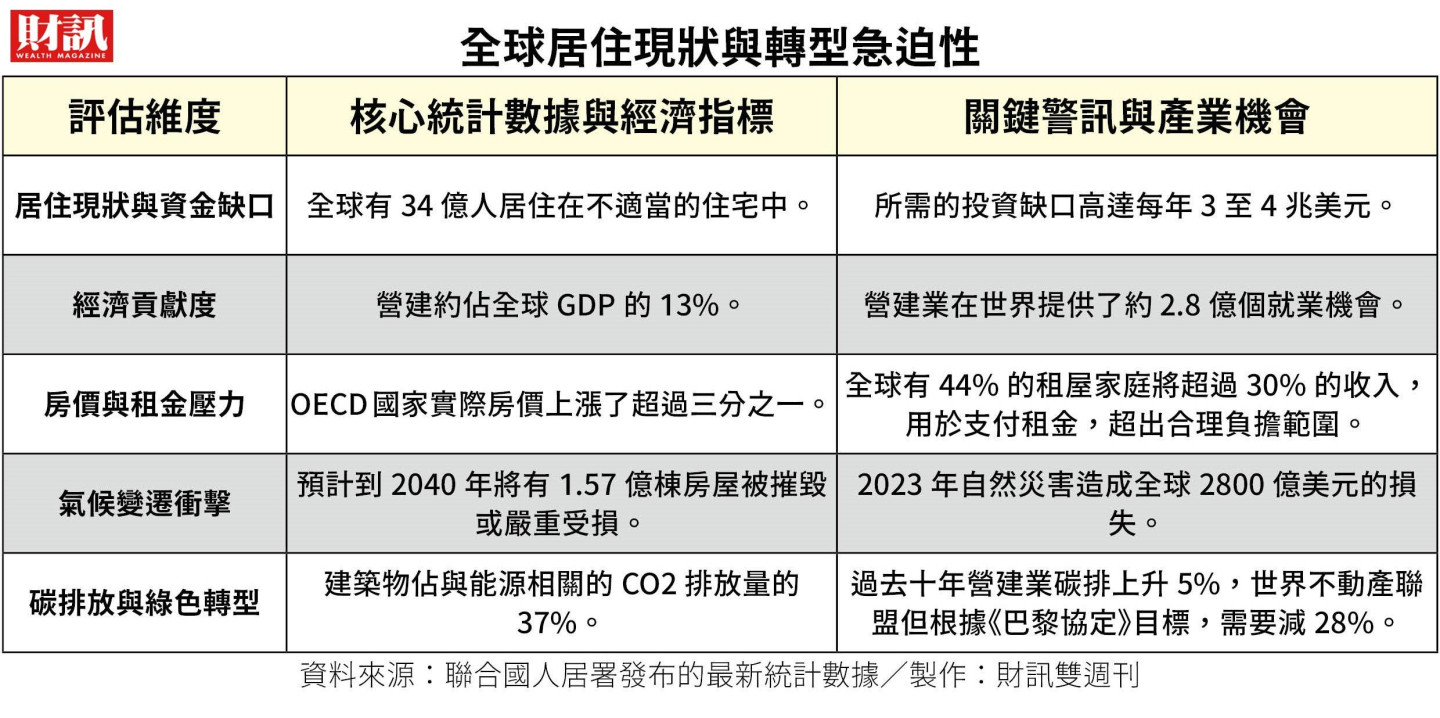
▲Source: Latest statistics released by UN-Habitat / Produced by: Financial Weekly
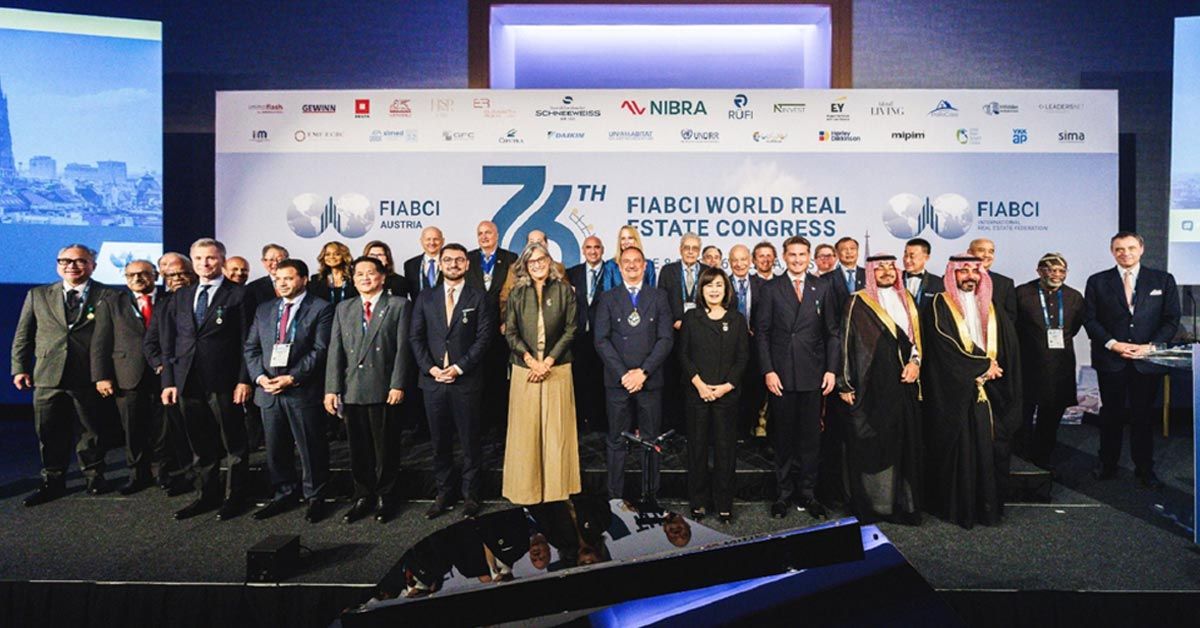
▲The 76th International Federation of Real Estate Associations (FIABCI) was held in Vienna.
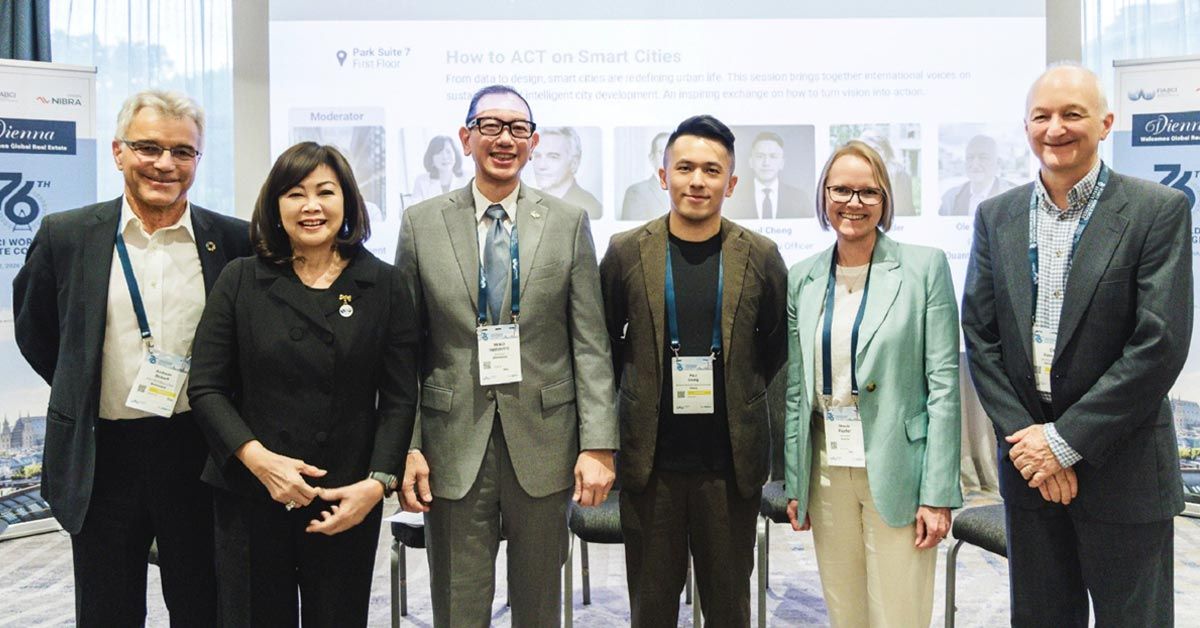
▲The 76th World Federation of Real Estate (FIABCI) held a professional forum in Vienna on the 9th. Chang Lily (second from left), who will take over as the world president, served as the core speaker in the lecture "How to Implement Smart Cities".